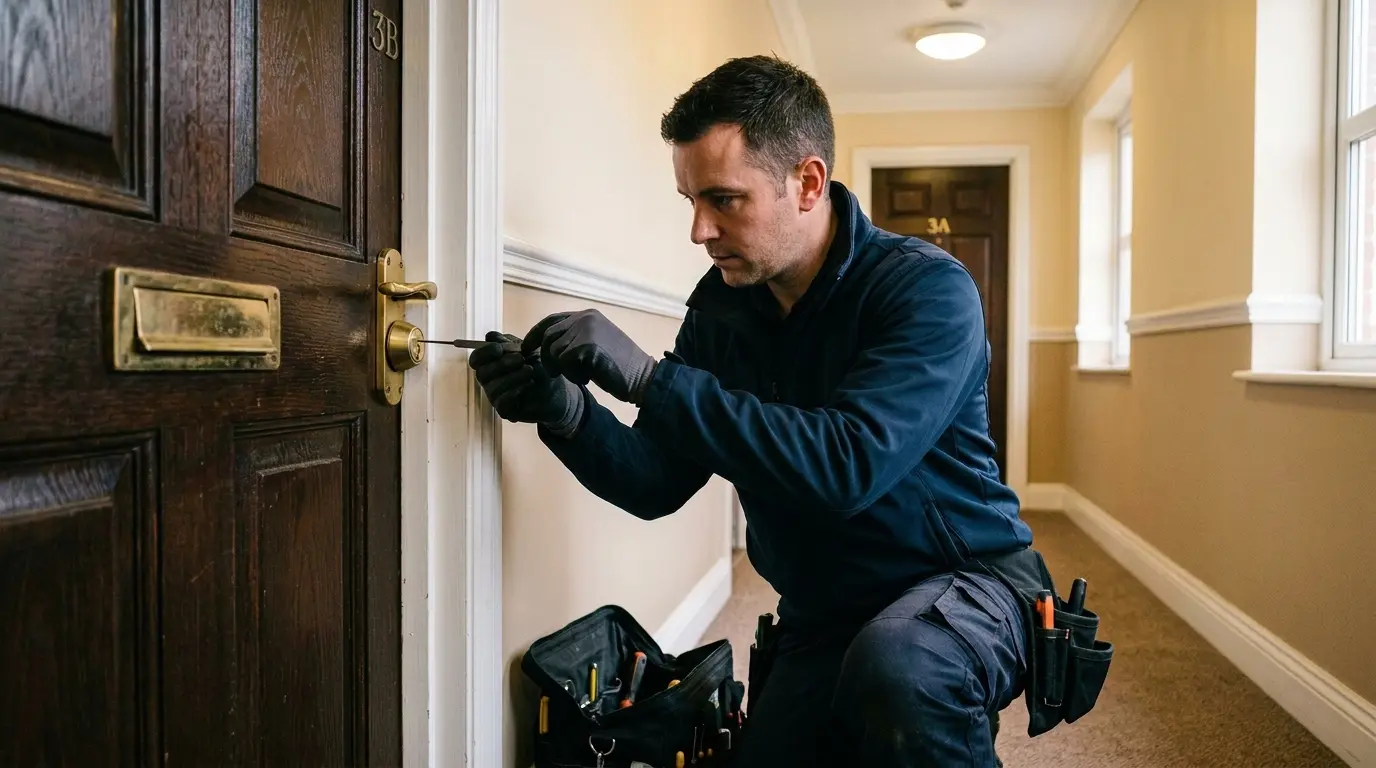
People often assume that locksmiths can open any lock within seconds and without leaving a mark. Movies and TV shows have created that image for years. In reality, professional locksmithing involves skill, precision, and strategy.
A trained locksmith in Philadelphia can open most residential, commercial, and automotive doors with little to no damage, but the outcome depends on the lock type, the condition of the hardware, and the security system in place. Modern locksmiths use advanced tools and non-destructive techniques whenever possible. They focus on restoring access while protecting your property, your security, and your peace of mind.
How Professional Locksmiths in Philadelphia Work
A professional locksmith does much more than cut keys or unlock doors. Locksmithing combines mechanical knowledge, security expertise, and problem-solving skills. Every lock works differently, and experienced locksmiths understand how internal lock mechanisms respond under pressure.
When a locksmith arrives at a property, they first inspect the situation. They look at the lock type, door condition, security level, and the reason behind the lockout. This process helps them choose the safest and most effective method.
Most reputable locksmiths prefer non-destructive entry methods. They aim to unlock the door while keeping the lock functional. This approach saves the customer from expensive replacements and prevents unnecessary property damage.
Read More: Lock Rekey vs Replace: Which Is Better for Your Home?
Can Locksmiths Open Any Door?
In most situations, yes. A skilled locksmith can open nearly any standard door. However, that does not mean every door opens instantly or without effort.
Residential locks, office locks, smart locks, high-security systems, and car locks all require different techniques. Some doors allow quick access through lock picking or bypass methods. Others include reinforced mechanisms that demand specialized tools and more time.
A locksmith’s success depends on several factors:
- The type of lock installed
- The security grade of the hardware
- The condition of the lock
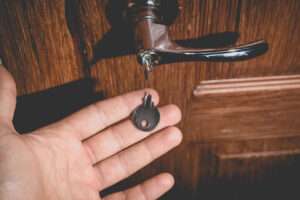
- Whether the key broke inside
- Whether electronic systems control the door
- The presence of anti-pick or anti-drill features
Modern locksmiths train extensively to handle these scenarios. They stay updated with evolving security technologies because lock manufacturers constantly improve security systems.
Non-Destructive Entry: The Preferred Approach
Professional locksmiths always attempt non-destructive entry first. This method allows them to unlock the door without harming the lock, frame, or surrounding hardware.
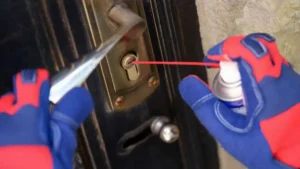
Non-destructive entry techniques include lock picking, decoding, bypassing, and tool-assisted manipulation. These methods require patience and technical skill. A professional locksmith studies how the lock behaves and carefully manipulates internal components.
This approach benefits homeowners and business owners because it reduces repair costs and maintains security integrity. If the lock remains functional after the service, customers avoid replacing expensive hardware.
High-quality locksmith services focus on preservation rather than destruction. Experienced technicians understand that property damage creates inconvenience and additional expenses for customers.
When Locksmiths May Need to Drill a Lock
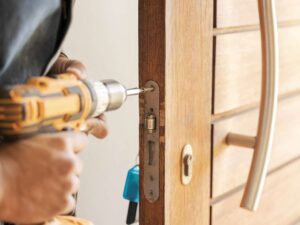
Although locksmiths prioritize damage-free solutions, some situations require destructive methods. Drilling becomes necessary when the lock suffers severe internal damage or when advanced security features prevent manipulation.
For example, locks with anti-pick technology resist standard entry methods. Rusted mechanisms, jammed cylinders, or broken internal pins may also make non-destructive entry impossible.
A locksmith usually drills only as a last resort. Before taking that step, they explain the situation to the customer and discuss replacement options.
Professional drilling involves precision. Locksmiths target specific internal components to minimize damage. They avoid harming the door whenever possible. After opening the lock, they often install a replacement cylinder or new lock system immediately.
Different Types of Locks Require Different Techniques
Every lock design presents unique challenges. A locksmith adjusts their methods based on the hardware they encounter.
Traditional Pin Tumbler Locks
These locks appear in many homes and offices. Skilled locksmiths can often pick or bypass them without causing damage. Standard deadbolts and knob locks usually fall into this category.
Smart Locks
Smart locks combine electronic systems with traditional hardware. Locksmiths handling these systems need technical knowledge alongside mechanical expertise. Some smart locks allow software-based troubleshooting, while others require manual override techniques.
High-Security Locks
High-security locks contain advanced features like sidebars, restricted keyways, and anti-drill plates. These locks resist tampering and unauthorized access. Locksmiths can still open them, but the process takes more time and specialized equipment.
Automotive Locks
Car lock systems have evolved dramatically. Modern vehicles use transponder keys, electronic immobilizers, and keyless entry systems. Automotive locksmiths use diagnostic tools and programming equipment to regain access safely.
Commercial Security Doors
Commercial properties often use master key systems, access control systems, and reinforced locking hardware. Locksmiths working in commercial settings need advanced training because these systems involve multiple layers of security.
Also Read: How Mobile Locksmiths Are Equipped for Any Emergency
Get in Touch with Kingstone Locksmith for trusted Locksmiths in Philadelphia
If you need reliable locksmith assistance, trust Kingstone Locksmith Philadelphia for fast, professional, and damage-conscious service. Our experienced team handles residential, commercial, and automotive locksmith needs with modern tools and proven expertise. We focus on secure solutions, rapid response times, and customer satisfaction. When security and reliability matter most, Kingstone Locksmith stands ready to help.
Frequently Asked Questions
Can a locksmith open any door without damage?
Most experienced locksmiths can open standard residential and commercial doors without causing damage using lock picking, bump keys, or bypass tools. However, high-security locks, reinforced doors, or severely damaged locks may require drilling, which can affect the lock or surrounding hardware.
How do locksmiths open doors without breaking the lock?
Locksmiths use non-destructive techniques such as lock picking, shimming, and bypass methods to open doors while keeping the lock intact. The method depends on the lock type, door condition, and whether the lock has anti-pick security features.
Will a locksmith damage my door when unlocking it?
A skilled locksmith will rarely damage your door during a standard lockout situation. Damage is more likely when dealing with high-security locks, deadbolts with anti-drill protection, or situations where the lock mechanism is already broken or jammed.
What happens if a locksmith cannot pick the lock?
If a lock cannot be picked, a locksmith may resort to drilling through the lock cylinder as a last option. After drilling, the lock will need to be replaced, but the door frame and surrounding hardware typically remain undamaged.
Can a locksmith open a high-security door lock without damage?
High-security locks with anti-pick, anti-bump, and anti-drill features are significantly harder to open without damage. A certified locksmith may still succeed using advanced bypass techniques, but in some cases controlled drilling followed by lock replacement is the only safe option.